Gas Line Services in Wilmington, DE
Upfront Pricing
Technicians provide clear evaluations and scope details before starting mechanical work.
Licensed Professionals
Certified technicians handle fuel pipe connections safely and in line with municipal codes.
Same-Day Service
Prompt dispatch helps address urgent residential gas piping repairs without delay.
Reliable Fuel Piping Solutions
Gas Line Installation and Repair in Wilmington, DE
Natural gas powers essential appliances across northern Delaware. It supplies winter heating systems, water heaters, kitchen ranges, and outdoor grills. When adding new equipment or replacing old pipes, homeowners need experienced technicians who understand mechanical fuel codes. Burns & McBride provides complete gas line services in Wilmington, DE, ensuring fuel lines operate safely and meet all technical standards.
Fuel gas installations demand strict adherence to safety protocols, precise pressure testing, and correct pipe sizing. Our technicians follow guidelines from the International Fuel Gas Code (IFGC) and NFPA 54 (National Fuel Gas Code). We evaluate total appliance demand, map safe routing, and assemble connections using approved fittings. We help homeowners update legacy iron piping, add branches for home renovations, and resolve piping issues promptly.
We serve homes throughout Wilmington, Newark, and nearby communities with clear explanations and practical solutions. If you plan to install new supply lines or need an underground line to a detached garage, our technicians complete the project with minimal disruption.
Gas Line Repairs
Professional Repairs for Gas Lines
Damaged or deteriorating gas lines can affect appliance performance and create serious safety concerns. Our gas line services address issues such as corroded piping, leaking joints, damaged shutoff valves, faulty appliance connectors, and improper fittings.
Our licensed plumbers locate the source of the problem and complete repairs in accordance with applicable gas piping and safety requirements. When necessary, we can replace damaged sections, correct improperly sized lines, install new fittings or valves, and restore reliable fuel delivery to connected appliances. We clearly explain the recommended repair before work begins so you understand what needs correcting and why.
Delivering dependable heating, cooling, and plumbing solutions throughout northern Delaware
How We Work
Our Step-by-Step Gas Line Process
Every gas piping project requires precision, from initial sizing calculations to burner testing. We follow an orderly process aligned with the International Fuel Gas Code to verify system safety.
Initial Assessment
We measure pipe distances, identify framing pathways, and calculate total British Thermal Unit (BTU) demand.
System Isolation
Technicians shut off the main supply valve and verify zero pressure before disconnecting any piping.
Pipe Fabrication
We cut, thread, ream, and secure approved black steel or corrugated stainless steel tubing along the route.
Pressure Testing
We seal the piping segment and pressurize the line with air to 10 to 15 psig for at least 15 minutes, following NFPA 54 test procedures to verify zero pressure loss.
Final Appliance Walkthrough
We reconnect appliances, bleed air from the supply lines, test operating pressures, and conduct a full walkthrough with you.
Safety Standards
Protecting Your Household with Proper Installation
Fuel gas provides reliable residential heating, but leaking pipes introduce serious safety hazards. Even minor leaks in confined basements can cause gas buildup or hazardous air conditions. Professional installation ensures all threaded joints use approved PTFE tape or pipe thread sealants rated for fuel gases.
Legacy homes in Wilmington frequently contain older black iron pipe runs. Over time, these lines can develop exterior corrosion, loose hanger supports, or unpermitted modifications. Our technicians verify that horizontal runs have rigid supports spaced every 6 to 8 feet as required by IFGC Section 407. Proper anchoring prevents pipe sagging, joint stress, and vibration leaks.
We also verify emergency shutoff valves at every appliance and the main meter. Modern quarter-turn brass ball valves provide a reliable way to isolate appliances during servicing or emergencies.
System Planning
Fuel Lines and Energy Trade-Offs for Modern Additions
Upgrading home appliances requires evaluating energy options, fuel requirements, and household needs. Adding high-capacity equipment like a tankless water heater often requires dedicated 3/4-inch or 1-inch supply lines to support peak demand. Evaluating these requirements early helps homeowners select the right energy source.
Homeowners planning kitchen renovations often compare gas ranges with electric induction cooktops. Natural gas ranges deliver instant, visible heat that works with all cookware types. Conversely, electric induction cooktops offer faster boiling times, higher thermal efficiency, and zero indoor combustion byproducts, though they require induction-compatible cookware and dedicated 240-volt electrical circuits. We discuss these trade-offs objectively so you can choose the system that fits your cooking style.
Water heating involves similar considerations. High-efficiency gas tankless units supply continuous hot water in a compact wall-mounted unit. In contrast, electric heat pump water heaters offer exceptional electrical efficiency and qualify for energy rebates, but they require sufficient ambient room volume and regular air filter cleaning. If you choose gas equipment, our team designs compliant piping runs to ensure steady fuel delivery.
Technical Experience
Straightforward Mechanical Service Since 1949
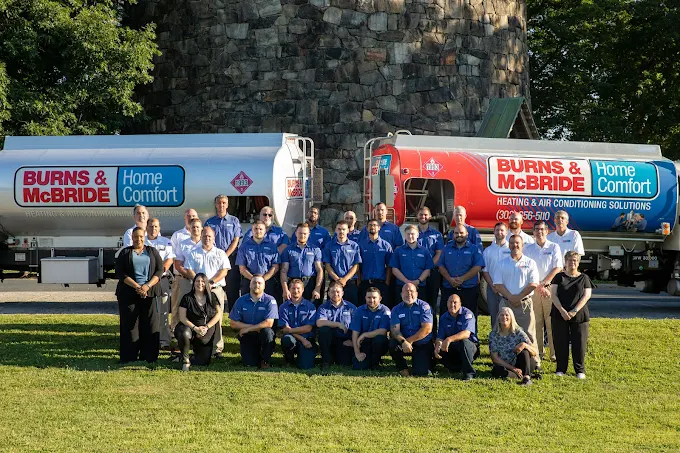
Burns & McBride has served northern Delaware homeowners since 1949. When you schedule gas line services, you work with certified technicians trained in local building codes and fuel gas mechanics. Our technicians explain inspection results clearly and provide factual recommendations before starting repairs. Our goal is to ensure your piping operates safely, delivers correct pressure, and complies with all municipal requirements.
Complete Plumbing Care
Other Professional Plumbing Services We Provide
In addition to fuel piping, Burns & McBride handles a wide range of residential plumbing installations and repairs to keep your home running smoothly:
System Diagnostics
Preparing for Your Gas Line Service Visit
Before your appointment, locate your main gas meter and note the location of shutoff valves on individual appliances. Check the manufacturer rating plates on your gas equipment to find individual BTU consumption figures. Having this data available allows technicians to calculate total system demand and verify whether your existing manifold can support added equipment under International Fuel Gas Code sizing tables.
Helpful Answers
Frequently Asked Questions About Gas Lines
Here are answers to common questions homeowners ask regarding fuel gas piping, safety inspections, and installations.
What are the primary signs of a gas leak?
Natural gas includes a harmless chemical additive called mercaptan, which creates a distinct sulfur or rotten-egg odor. You may also hear hissing sounds near pipe joints or notice dead vegetation above buried yard lines. If you suspect a leak, evacuate the building immediately and call your utility provider from outside.
Can a homeowner install or modify gas pipes?
Licensed professionals should always install or modify gas piping. Improperly sealed threads, incorrect pipe diameters, or unapproved flexible hoses create significant fire and health hazards. Certified technicians understand local permitting rules and perform required gauge pressure tests before restoring service.
Why do tankless water heaters require larger gas lines?
Tankless water heaters heat water instantly on demand. This process requires high heat input, often between 150,000 and 199,000 BTUs per hour. Standard half-inch gas lines cannot supply this volume, leading to burner error codes or low water temperatures. Most installations require a dedicated 3/4-inch or 1-inch branch.
What piping materials meet residential mechanical codes?
Most interior residential runs use Schedule 40 black steel pipe because of its durability. Corrugated stainless steel tubing (CSST) is also permitted for routing through finished walls when properly bonded to ground. Underground exterior runs require approved polyethylene plastic piping with yellow tracer wire to allow future locating.
How long does indoor residential gas piping last?
Black iron piping can remain functional for many decades when kept dry and protected from mechanical damage. However, appliance shutoff valves, flexible connectors, and joint compounds degrade over time. Periodic inspections help spot surface rust and loose connections before leaks occur.
Still Have Questions?
Expanding an existing fuel piping layout requires calculating line lengths, pipe diameters, and connected loads. Burns & McBride provides comprehensive gas line services in Wilmington, DE, helping homeowners plan additions safely.
WHERE WE SERVE
Providing expert Heating, Cooling & Air Quality services to the greater wilmington area Since 1949
- Arden, DE
- Ardencroft, DE
- Ardentown, DE
- Avon Grove, PA
- Bear, DE
- Bellefonte, DE
- Brookside, DE
- Broomall, PA
- Chadds Ford, PA
- Claymont, DE
- Delaware City, DE
- Earleville, MD
- Edgemoor, DE
- Elkton, MD
- Elsmere, DE
- Garnet Valley, PA
- Glasgow, DE
- Greenville, DE
- Hockessin, DE
- Kennett Square, PA
- Landengerg, PA
- Middletown, DE
- New Castle, DE
- Newark, DE
- Newport, DE
- North East, MD
- North Star, DE
- Odessa, DE
- Perry Point, MD
- Pike Creek, DE
- Port Penn, DE
- Saint Georges, DE
- Talleyville, DE
- West Chester, PA
- Wilmington Manor, DE
- WIlmington, DE
Schedule Today
Schedule Gas Line Services in Wilmington, DE
Keep your household appliances running safely and reliably with professional gas line services in Wilmington, DE, from Burns & McBride. Our licensed technicians provide careful repairs, new piping installations, pressure testing, and code-compliant workmanship. Contact us today to schedule gas line repair or installation service.